Nature & Wildlife
Marsh Mugger Crocodile: The Ancient Predator of South Asia
Discover the fascinating life of the mugger crocodile, from its freshwater habitats and hunting behaviour to its role in South Asia’s ecological balance.
Himal Shahi Thakuri · Oct 27, 2026 · 8 min read
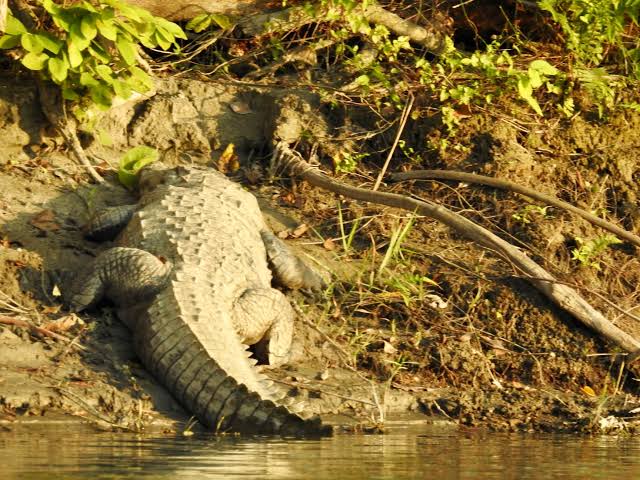
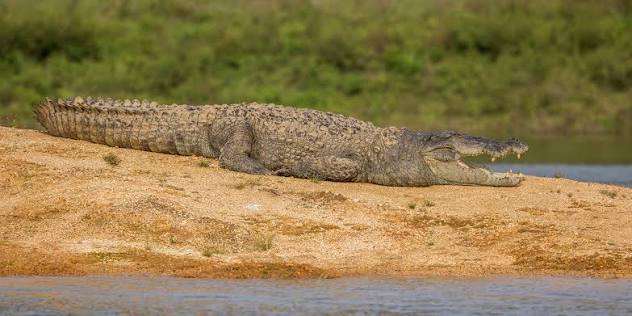
The marsh mugger crocodile is a powerful freshwater predator native to the Indian subcontinent. · Google
Marsh Mugger Crocodile: The Ancient Predator of South Asia
Across the sunlit wetlands of South Asia, where reeds sway beside muddy riverbanks and water reflects the surrounding landscape, one of nature’s most fascinating predators waits quietly beneath the surface. The marsh mugger crocodile, scientifically known as Crocodylus palustris, is a powerful freshwater reptile whose history, behaviour and ecological importance make it an extraordinary part of the region’s natural heritage.
Often called the mugger crocodile, this species is native to the Indian subcontinent. It inhabits a variety of freshwater environments and demonstrates an impressive ability to adapt to changing conditions. Although its appearance may inspire caution, understanding this crocodile reveals much more than its reputation as a formidable predator. It offers a glimpse into the complex relationships that sustain rivers, lakes and wetlands.
An Ancient Predator with a Distinctive Appearance
The marsh mugger crocodile belongs to an ancient group of reptiles that has survived through immense environmental changes over evolutionary time. Its broad snout, muscular tail, strong limbs and armoured body make it well suited to life in and around water.
Its skin is generally greyish, olive or brown, often with darker markings that vary among individuals and age groups. These colours can help the crocodile blend into muddy water, riverbanks and shaded pools.
Unlike the long, relatively narrow snout of the gharial, which is highly specialised for catching fish, the mugger has a broader snout. This shape reflects its more varied diet and ability to capture different kinds of prey.
Mugger crocodiles can grow to impressive sizes, although length varies considerably with age, sex, habitat and individual condition. Their powerful jaws and strong bodies make them effective hunters, but their success depends on more than strength alone. Patience, camouflage and an understanding of their surroundings are equally important.
Where Does the Marsh Mugger Crocodile Live?
The marsh mugger crocodile occurs across parts of the Indian subcontinent, particularly in India and Sri Lanka, with populations also recorded in other parts of its regional range. It inhabits freshwater environments such as rivers, lakes, marshes, reservoirs and ponds.
Despite its common name, the mugger is not restricted to marshes. It can occupy a variety of freshwater habitats, including artificial water bodies where suitable conditions exist.
These environments provide essential resources: prey, shelter, basking areas and suitable nesting locations. During warm weather, crocodiles may rest on exposed banks to absorb heat from the sun. When temperatures rise or disturbance increases, they can retreat into the water.
Some individuals may also use burrows in earthen banks as shelter from extreme temperatures. These retreats can help them manage the seasonal changes experienced across parts of South Asia.
The quality and availability of freshwater habitat are central to the crocodile’s survival. When wetlands disappear, rivers are altered or water sources become polluted, the effects can extend throughout the ecosystem.
A Master of Patience and Ambush
The mugger crocodile is an opportunistic predator. Rather than constantly chasing prey, it often relies on camouflage and patience, remaining still while observing activity around the water.
Its eyes and nostrils are positioned high on its head, allowing it to remain largely submerged while watching its surroundings and breathing. This adaptation helps it approach potential prey without exposing much of its body.
Its diet varies with size, age and habitat. It may include fish, frogs, crustaceans, birds, reptiles and mammals that come close to the water. Younger crocodiles generally feed on smaller prey, while larger individuals can tackle bigger animals when opportunities arise.
This flexible feeding behaviour helps the mugger survive in different freshwater environments. However, crocodiles do not feed constantly. Their metabolism and energy requirements allow them to go for extended periods between meals, particularly when prey is scarce.
Although mugger crocodiles are capable hunters, they also face challenges from environmental change, competition and human activity. Their survival depends on having enough space and access to suitable food and shelter.
Life Between Water and Land
One of the most interesting aspects of mugger crocodile behaviour is the relationship between its aquatic and terrestrial lives.
Water provides protection, movement and access to prey, while land offers important opportunities for basking and nesting. Crocodiles are ectothermic, meaning they rely on external sources of heat to regulate their body temperature.
Basking in sunlight helps them warm up after spending time in cooler water. They may adjust their position or enter the water as temperatures change.
These behaviours are particularly important in regions where seasons bring significant differences in temperature and rainfall.
Observing a crocodile resting motionless on a riverbank can make it appear inactive. In reality, conserving energy is an effective survival strategy for a large reptile that may need to remain alert for long periods.
Nesting, Eggs and the Next Generation
The mugger crocodile’s reproductive cycle is closely connected to seasonal environmental conditions. Breeding and nesting generally take place during particular parts of the year, with timing varying by location.
Females typically prepare nests in suitable soil, often in sandy or earthen areas near water. After laying their eggs, they guard the nesting area, and maternal behaviour can continue around the time the hatchlings emerge.
The number of eggs varies, and not every egg or hatchling survives. Flooding, temperature conditions, predators and habitat disturbance can all affect reproductive success.
Temperature during incubation is especially important in crocodilians because it influences the sex of developing hatchlings. Once the young emerge, they remain vulnerable to predators and environmental hazards.
Successful reproduction therefore depends on more than the presence of adult crocodiles. Secure nesting grounds, suitable water conditions and relatively undisturbed habitat are essential to maintaining populations over time.
The Mugger Crocodile’s Role in the Ecosystem
Large predators play an important role in natural food webs, and the mugger crocodile is no exception.
By feeding on a variety of aquatic and terrestrial animals, crocodiles form part of the ecological relationships that shape freshwater communities. Their influence depends on the habitat and the species living alongside them.
They also connect aquatic and terrestrial environments through their movement between water and land. Their presence can be an indicator of the ecological complexity of the wetlands they inhabit, although crocodile numbers alone cannot determine whether an ecosystem is healthy.
Protecting mugger crocodiles can therefore contribute to broader efforts to conserve freshwater biodiversity. The rivers and wetlands they depend on also support fish, amphibians, birds, plants and many other organisms.
A healthy wetland is not simply a place where one species survives. It is a living system in which many species interact, compete and depend on shared resources.
Mugger Crocodiles and Nepal’s Wildlife
Nepal is well known for its diverse landscapes, from the forests and grasslands of the Terai to the high mountains of the Himalayas. Its southern lowlands contain rivers, oxbow lakes, wetlands and other freshwater habitats that support remarkable wildlife.
Crocodilians are an important part of this aquatic heritage. Nepal is home to the gharial and the mugger crocodile, although their distribution, habitat preferences and conservation needs differ.
The mugger is associated with suitable freshwater habitats, while the critically endangered gharial is particularly specialised for river environments and a fish-based diet.
In Nepal, the mugger crocodile is associated with parts of the Terai, where freshwater ecosystems provide important habitat. However, the presence and abundance of crocodiles vary among locations and should be understood through reliable wildlife surveys.
Chitwan and the surrounding river systems are widely recognised for their rich biodiversity. Responsible wildlife observation in such areas can help visitors appreciate the connections between aquatic habitats and the animals that depend on them.
For photographers and nature enthusiasts, observing crocodiles from a safe, authorised location can offer a powerful reminder that wildlife conservation includes animals that are often misunderstood.
Conservation Challenges and Human–Crocodile Coexistence
Despite its adaptability, the mugger crocodile faces a number of pressures across its range. Wetland degradation, changes to river systems, pollution and the loss of nesting areas can affect populations.
Human–crocodile conflict is another concern, especially where people use the same waterways for fishing, bathing, washing or collecting water. Encounters can result in serious injuries or fatalities, making public awareness and practical safety measures essential.
Coexistence requires recognising both the ecological importance of crocodiles and the legitimate safety needs of nearby communities.
Maintaining appropriate distance from crocodiles, avoiding known nesting areas and following local wildlife guidance are important precautions. Feeding or attempting to approach a wild crocodile should never be part of wildlife observation.
Conservation programmes can help by protecting habitats, monitoring populations, improving community awareness and developing practical responses to conflict. Effective management depends on local conditions and reliable information rather than assumptions about crocodile behaviour.
Protecting the Future of Freshwater Wildlife
The future of the marsh mugger crocodile is closely linked to the future of South Asia’s freshwater ecosystems. Rivers and wetlands face increasing pressures from development, pollution, changing water use and habitat disturbance.
Protecting these environments benefits not only crocodiles but also the communities that rely on freshwater for agriculture, livelihoods and daily life.
Habitat restoration, responsible water management, scientific research and community participation can all contribute to long-term conservation. Education is equally important because understanding an animal’s behaviour can replace misconceptions with informed respect.
Crocodiles deserve neither romanticisation nor unnecessary fear. They are wild predators with an important ecological role, and their conservation requires a thoughtful balance between protecting biodiversity and safeguarding people.
Conclusion: Respecting an Extraordinary Survivor
The marsh mugger crocodile is a remarkable survivor of South Asia’s freshwater landscapes. Its broad snout, patient hunting strategy and ability to inhabit different aquatic environments reveal the extraordinary adaptations that have shaped its way of life.
Yet its future is not guaranteed by evolution alone. Healthy wetlands, suitable nesting grounds, informed communities and effective conservation measures remain essential to its continued survival.
By protecting the rivers and wetlands that sustain these ancient reptiles, we protect far more than a single species. We help preserve the interconnected web of life that makes South Asia’s natural heritage so extraordinary.
The next time a quiet stretch of water reflects the trees along its banks, it is worth remembering that an entire world of wildlife may exist just beneath the surface—and that conserving it begins with understanding and respect.