Travel & Wildlife
Long Canoeing Safari in Kumroj, Chitwan: A Chance to See the Bengal Tiger
Drift along the peaceful waterways of Chitwan, explore rich riverine habitats, and look for signs of the Bengal tiger and other remarkable wildlife.
Himal Shahi Thakuri · Oct 27, 2026 · 9 min read
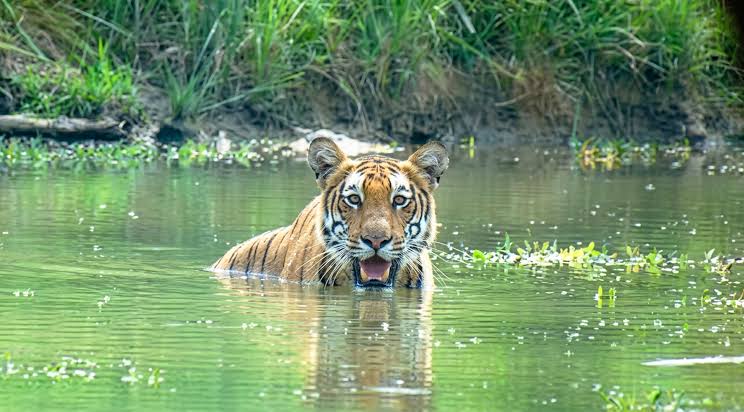
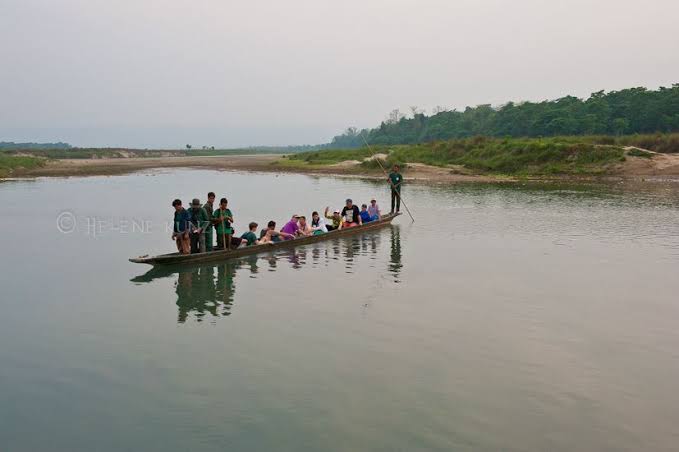
Long canoeing safari through the riverine landscape of Kumroj near Chitwan National Park, Nepal. · Google
Long Canoeing Safari in Kumroj, Chitwan: A Chance to See the Bengal Tiger in the Wild
There is something extraordinary about travelling through the rivers and wetlands of Nepal’s Terai. The sounds of the forest grow quieter, birds call from the riverbanks, and the surrounding landscape reveals a side of Chitwan that cannot always be experienced from a road or vehicle. A long canoeing safari in Kumroj offers visitors an opportunity to slow down, explore these natural surroundings, and discover the remarkable wildlife that makes this region one of Nepal’s most fascinating destinations.
Located in the Chitwan region, Kumroj is known for its proximity to rich natural habitats and the wider landscape surrounding Chitwan National Park. For travellers seeking a combination of nature, wildlife observation and peaceful adventure, a canoe journey can become one of the most memorable parts of a visit.
And for those who dream of seeing the Bengal tiger in the wild, the surrounding forest landscape adds another layer of excitement. Tigers inhabit the greater Chitwan ecosystem, although spotting one during a canoeing trip is rare and never guaranteed.
A Journey into the Heart of Chitwan’s Wilderness
A long canoeing safari is not simply about moving from one point to another. It is an opportunity to experience the river at a different pace, noticing the small details that are often missed during faster journeys.
Depending on the route, local arrangements and river conditions, visitors may travel through stretches of water bordered by tall grasses, trees and natural riverbank vegetation. The landscape changes with the seasons. During some periods, the river may appear broad and open; at other times, vegetation creates a more enclosed and intimate atmosphere.
The quiet movement of a canoe allows travellers to observe the surroundings without the noise of a motor. Water birds may call from the banks, ripples may spread across the surface, and distant movement in the vegetation can draw attention to the life hidden along the river.
For photographers and nature enthusiasts, these moments are often just as meaningful as seeing a large animal. A canoeing safari encourages patience, careful observation and respect for the natural environment.
Could You See a Bengal Tiger?
The possibility of encountering a Bengal tiger is one reason wildlife enthusiasts are fascinated by Chitwan. This magnificent predator is among the most iconic animals of Nepal’s lowland forests and grasslands.
Bengal tigers inhabit parts of the greater Chitwan landscape, where suitable cover, water and prey help sustain their populations. Riverine forests and grassland edges form part of the wider ecosystem that supports these animals.
However, tigers are elusive. They usually avoid unnecessary contact with people, and their movements depend on prey availability, habitat conditions and other environmental factors. A tiger may live within the broader region without ever appearing along a visitor’s route.
During a canoeing safari, travellers should therefore enjoy the possibility of discovering tiger habitat rather than expecting a direct sighting. Tracks or other signs of wildlife may sometimes be noticed by experienced local guides, but any identification should be left to knowledgeable professionals.
The true value of the journey lies in experiencing the landscape where these extraordinary animals survive. Even without seeing a tiger, travelling quietly through the natural environment can create a deeper appreciation for its importance.
More Than Tigers: Discovering Chitwan’s River Wildlife
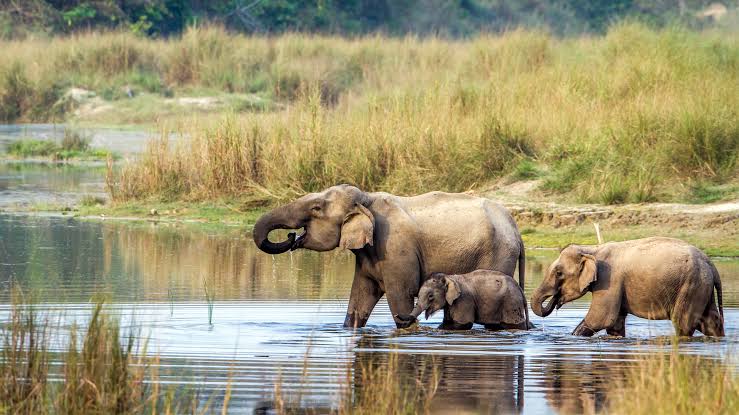
Although the Bengal tiger attracts international attention, Chitwan’s waterways support a much wider variety of wildlife. The river environment connects forests, grasslands, wetlands and other habitats, creating opportunities to observe different species throughout the year.
Gharials and Mugger Crocodiles
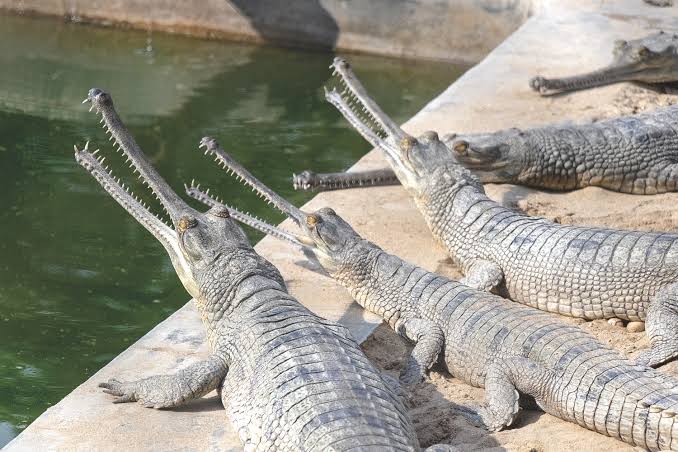
Crocodilians are among the most fascinating animals associated with the rivers of the Chitwan region. Visitors may learn about the gharial, a critically endangered fish-eating crocodilian with a long, narrow snout, and the mugger crocodile, a more broadly snouted species.
Both are important parts of their respective freshwater ecosystems. Their presence and visibility vary with the location, season and conditions. They should always be observed from a safe distance, with instructions from the guide followed carefully.
Colourful Birds Along the Riverbanks
Birdwatching can be one of the most rewarding parts of a canoeing trip. Depending on the season and exact route, visitors may encounter kingfishers, egrets, herons, cormorants and other water-associated birds.
Some birds remain motionless near the water, waiting for an opportunity to catch fish, while others fly low over the river or move between branches. Their behaviour offers a glimpse into the ecological relationships that sustain life along the river.
For bird photographers, early morning conditions may provide attractive natural light and a quieter atmosphere. Binoculars can help visitors observe birds without approaching them too closely.
Deer, Rhinos and Other Wildlife
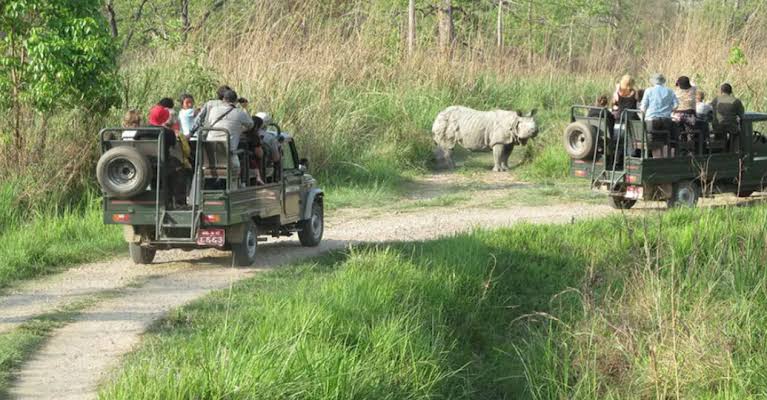
The wider Chitwan ecosystem is also famous for the greater one-horned rhinoceros, deer, wild boar and numerous smaller species. Whether any of these animals can be seen during a canoeing excursion depends on the route and surrounding habitat.
A canoe trip should not be treated as a guarantee of seeing particular animals. Wildlife moves freely, and each journey is different. The most rewarding approach is to remain observant and appreciate whatever the landscape reveals.
Kumroj: Where Nature and Local Life Meet
The Kumroj area forms part of the broader Chitwan landscape, where communities live close to forests, rivers and agricultural land. This relationship between people and nature is an important part of the region’s identity.
For travellers, exploring the area can provide a broader understanding of life in Nepal’s Terai. Beyond wildlife, the region offers opportunities to learn about local traditions, rural landscapes, community-based tourism and the challenges of living alongside wild animals.
Responsible tourism can help create economic opportunities for local guides and businesses while encouraging appreciation for the natural environment. Choosing knowledgeable local operators and respecting community guidance can make a visit more meaningful.
Visitors should also remember that natural areas are not simply attractions. They are habitats, working landscapes and important parts of local livelihoods. Respect for residents, wildlife and the environment should remain central to every excursion.
Why Choose a Long Canoeing Safari?
Compared with faster forms of wildlife travel, canoeing offers a different kind of experience. The journey is often defined by quiet observation rather than constant movement or a search for dramatic encounters.
A longer trip, when offered by a suitable local operator, may provide more time to appreciate changing river scenery, observe birds and learn about the surrounding ecosystem. The actual duration and distance depend on the operator, river conditions, permitted access and the route available.
Canoeing may appeal particularly to:
Nature lovers who want to experience Chitwan’s river landscape at a slower pace.
Birdwatchers interested in observing water birds and other species.
Wildlife photographers looking for natural scenery and opportunities to capture animal behaviour.
Adventure travellers seeking an experience beyond the usual sightseeing itinerary.
Responsible travellers who want to learn about habitats and conservation.
Before booking, ask the operator where the trip begins and ends, how long it lasts, which permits or permissions are required, and what wildlife can reasonably be encountered along the route.
The Best Time to Experience Canoeing in Chitwan
Conditions in the Chitwan region change considerably throughout the year, affecting river levels, vegetation, temperatures and wildlife visibility.
Autumn and winter often offer pleasant conditions for outdoor exploration, although individual river routes may operate differently depending on local circumstances. Spring can bring warmer weather and active birdlife, while the summer monsoon may cause higher water levels, strong currents or flooding.
There is no single season that guarantees a tiger sighting. Wildlife visibility depends on many factors, including animal movements, habitat conditions and the specific area being visited.
Before travelling, check current conditions with a reputable local operator. Trips should only take place when the river is considered safe and the activity complies with applicable local rules and conservation requirements.
Responsible Canoeing and Wildlife Safety
A memorable safari is one that protects both visitors and wildlife. Rivers in the Chitwan region are natural habitats, and they may contain animals that can be dangerous if approached carelessly.
Choose an experienced operator who understands the local waterways and follows relevant safety requirements. Wear the recommended life jacket, follow the guide’s instructions, remain seated as directed and avoid sudden movements that could destabilise the canoe.
Never attempt to approach, feed, touch or provoke wild animals. Do not encourage a guide or operator to move dangerously close to crocodiles, rhinoceroses or other wildlife for a photograph. Keep noise to a minimum and avoid littering the river or its banks.
It is also important to verify that the proposed route is permitted. Access arrangements can differ depending on whether a journey takes place within a protected area, along its boundary or on another waterway.
Responsible tourism is not measured by how close a visitor gets to a wild animal. It is measured by the quality of the experience and the care taken to leave the environment undisturbed.
Preparing for Your Canoeing Adventure
A little preparation can make a canoeing trip more comfortable. Lightweight clothing, sun protection, drinking water and binoculars may be useful, depending on the conditions and the operator’s guidance. A camera can help preserve memories, but it should never distract from safety instructions.
Protect electronic equipment from splashes and humidity. If you plan to photograph wildlife, use equipment that allows you to observe from a distance rather than trying to get closer to an animal.
Ask about the expected duration, departure time, meeting point, included equipment, weather arrangements and cancellation policy before confirming a booking. If you have mobility or accessibility requirements, discuss them with the operator in advance.
Most importantly, arrive with realistic expectations. The river may reveal birds, reptiles, changing landscapes or no large animals at all. Each trip has its own character, and patience is part of the adventure.
An Experience Worth Remembering
A long canoeing safari in Kumroj offers a distinctive way to appreciate the natural beauty of the Chitwan region. It brings travellers closer to the rhythms of the river, the diversity of its wildlife and the landscapes that sustain Nepal’s extraordinary biodiversity.
The dream of seeing a Bengal tiger adds excitement to the journey, but the experience should never depend on that single moment. The quiet passage of a canoe, the flash of a kingfisher, the sight of a crocodilian resting near the water and the green line of forest along the river can all become lasting memories.
For visitors to Chitwan, the most meaningful adventure may be the one that teaches them to look carefully, travel responsibly and value wildlife without demanding a performance from it.
Explore Kumroj with curiosity, respect the river, and remember that the true wonder of the wild lies in allowing nature to remain wild.