Festivals
Teej in Nepal: A Celebration of Love, Faith and Womanhood
Discover the colours, songs, traditions and cultural meaning of Haritalika Teej, one of Nepal’s most cherished festivals.
Himal Shahi Thakuri · Oct 27, 2026 · 9 min read
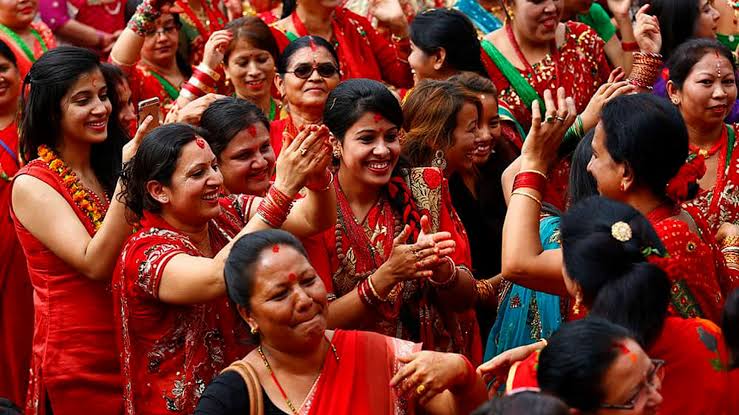
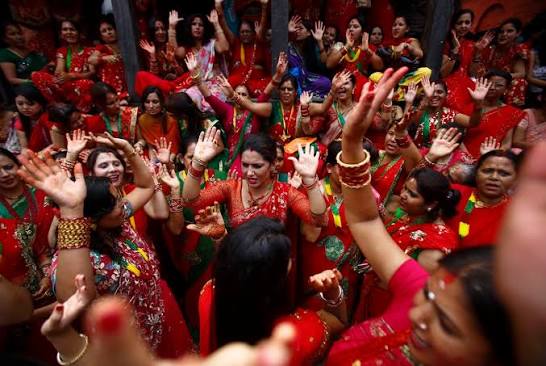
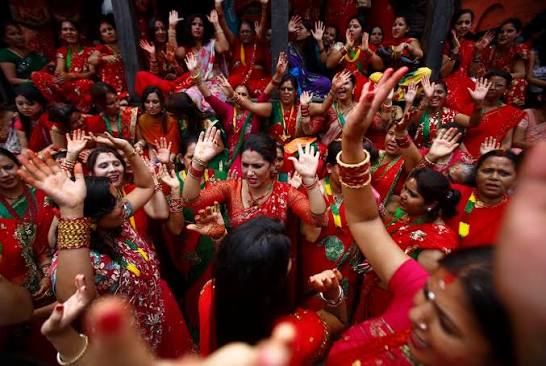
Women gather in red, singing, dancing and celebrating the traditions of Teej in Nepal. · Google
Teej in Nepal: A Celebration of Love, Faith and Womanhood
When the monsoon clouds gather over Nepal and the hills turn green with fresh rain, a familiar colour begins to appear across towns and villages: red. Women dress in beautiful red saris, adorn themselves with bangles and traditional jewellery, and gather with friends and family to celebrate Teej, one of Nepal’s most recognisable cultural festivals.
The sound of traditional songs fills courtyards, temple grounds and community spaces. Some women dance in circles, others prepare for religious observances, and many use the occasion to reconnect with loved ones. For visitors discovering Nepal’s cultural heritage, Teej offers a meaningful glimpse into the relationship between faith, family, tradition and everyday life.
Celebrated primarily by Hindu women, Haritalika Teej is especially associated with the worship of Lord Shiva and Goddess Parvati. Yet the festival is not defined by religious rituals alone. It is also a living cultural tradition through which women express joy, share experiences and strengthen bonds across generations.
What Is Teej, and Why Is It Celebrated?
Teej refers to a group of festivals observed in parts of South Asia, with Haritalika Teej holding particular importance in Nepal. It generally falls during the Hindu lunar month of Bhadra, usually in August or September.
According to Hindu tradition, the festival is associated with Goddess Parvati’s devotion to Lord Shiva. Her determination and spiritual dedication are celebrated as symbols of commitment, faith and perseverance.
For many Nepali women, Teej is an opportunity to pray for the well-being of their families and loved ones. Traditionally, married women may observe the festival with prayers for their husbands’ well-being, while unmarried women may pray for a suitable future partner. Practices and personal interpretations vary among families and communities.
In contemporary Nepal, Teej also carries broader meanings. For many women, it is a celebration of identity, friendship, independence and the right to express themselves through culture and community.
The Meaning Behind the Colour Red
One of the most striking sights during Teej is the abundance of red clothing. Red saris, red bangles, colourful necklaces and decorative accessories fill streets, homes and gathering places.
In Hindu cultural traditions, red is often associated with auspiciousness, celebration, vitality and marriage. Wearing red during Teej can therefore express devotion and connection to cultural heritage.
However, the festival is not about clothing alone. The jewellery, makeup and carefully chosen outfits are also part of the social joy of preparing for a special occasion.
For many women, getting dressed for Teej is a shared experience. Friends help one another arrange saris, select accessories and prepare for gatherings. Mothers, daughters, sisters and relatives may exchange advice and stories as they get ready.
These seemingly simple moments help keep traditions alive. They transform personal preparation into a shared cultural experience and make Teej memorable long after the celebrations have ended.
Dar Khane Din: The Feast Before Fasting
An important part of the Teej season is Dar Khane Din, the day before the main fasting observance.
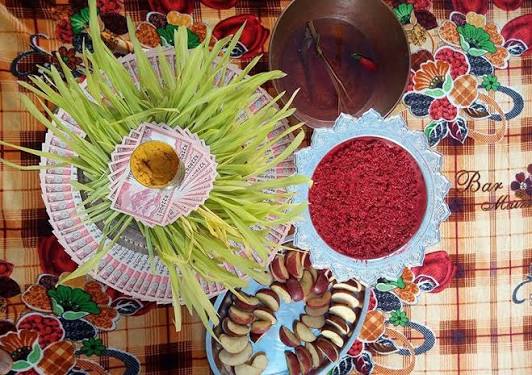
On this occasion, women often gather with relatives and friends to enjoy a special meal. Depending on family traditions and regional customs, the food may include rice, vegetables, lentils, pickles, sweets and other favourite dishes.
The gathering is as important as the food itself. It gives women an opportunity to talk, laugh, sing and spend time together before the religious observance of the following day.
In many communities, these gatherings have become lively social occasions, with music and dancing extending into the evening.
Traditionally, the meal is connected with preparing for the fast. However, customs differ, and not every woman observes the same practices. Some people fast strictly, while others choose a form of observance that suits their health, beliefs and circumstances.
The spirit of the occasion is found in togetherness, generosity and the pleasure of sharing a meal with people who matter.
Fasting, Prayer and Devotion
On Haritalika Teej, many women visit temples dedicated to Lord Shiva and participate in prayers. In Kathmandu, the Pashupatinath Temple is one of the most significant places associated with Teej celebrations.
Devotees may gather to offer prayers, flowers and other traditional offerings. Some observe a fast, sometimes without water, while others follow less restrictive practices.
Fasting is an important religious observance for many participants, but it is not a measure of anyone’s personal worth or devotion. People have different health needs, and the ways in which they observe the festival vary.
The spiritual significance of Teej is closely connected to faith, reflection and the story of Goddess Parvati. For many participants, the day provides time to consider their relationships, hopes and responsibilities.
For others, the festival’s meaning lies equally in its community gatherings and the chance to maintain a connection with family traditions.
These different experiences demonstrate how a cultural festival can hold several meanings at once while remaining an important part of Nepal’s religious and social life.
Teej Songs: Stories of Life, Love and Society
Music is one of the most powerful parts of Teej. Traditional Teej songs, often called Teej geet, express emotions and experiences through lyrics that may be joyful, humorous, devotional or deeply personal.
Historically, songs have provided women with a way to describe everyday life, family relationships, marriage, separation and the challenges of living within social expectations.
Some songs tell stories of missing parents and childhood homes after marriage. Others celebrate friendship, family reunions and the happiness of being surrounded by loved ones.
In this way, Teej music is more than entertainment. It preserves memories, carries cultural knowledge and gives people a shared language for experiences that might otherwise remain private.
Modern Teej songs have expanded this tradition. Contemporary performers use new musical styles, digital platforms and music videos to reach younger audiences in Nepal and abroad.
Although the sound may change over time, the festival’s musical heart remains the same: people coming together to express what matters to them.
Dancing, Friendship and Community
As the festival approaches, community spaces often become places of colour and movement. Women gather to dance, sing and celebrate with friends, relatives and neighbours.
These gatherings can be particularly meaningful for women who live away from their childhood homes or have limited opportunities to meet friends during everyday life.
Teej provides a recognised occasion to reconnect. People share stories, exchange greetings, take photographs and participate in cultural activities.
In cities, organised Teej programmes may take place at community halls, cultural venues and social organisations. In villages, celebrations may happen in homes, courtyards and local gathering spaces.
The details differ, but the underlying experience is familiar: a festival creates space for people to feel connected to their community.
For Nepalis living overseas, Teej celebrations organised by cultural associations can also help maintain a connection to home. Through traditional clothing, songs, food and prayer, communities carry parts of Nepal’s cultural identity across borders.
Teej in Kathmandu and Beyond
Kathmandu offers one of the most visible expressions of Teej, particularly around Pashupatinath Temple. During the festival, devotees gather for religious observances, and the surrounding area becomes an important centre of cultural activity.
However, Teej is not limited to the capital. It is celebrated in towns, villages and communities throughout Nepal, with local variations in food, music, dress and ritual.
In some places, celebrations are closely centred on temple visits and prayer. In others, social gatherings and performances play a particularly prominent role.
Regional diversity is part of what makes Nepal’s cultural landscape so rich. Even when people share the same festival, their family histories and local customs can shape how they celebrate it.
Visitors interested in experiencing Teej should remember that religious spaces can become crowded and that the festival is meaningful to the people participating in it. Respectful clothing, asking permission before photographing individuals and following local guidance help make cultural observation more considerate.
How Teej Is Changing in Modern Nepal
Like many long-standing traditions, Teej continues to evolve as society changes.
Social media has made it easier for people to share photographs, songs, dance performances and greetings with friends and relatives around the world. Contemporary fashion has introduced new interpretations of traditional clothing, while modern musicians have brought fresh styles to Teej music.
The festival has also become a space for conversations about women’s experiences, equality and social expectations.
Some women continue to observe long-standing rituals closely. Others reinterpret the festival according to their personal beliefs and circumstances. Many combine traditional practices with modern celebrations.
These changes do not necessarily mean that tradition is disappearing. Culture remains alive partly because people continue to find new ways to express its meaning.
At the same time, it is important to recognise that no single experience represents every Nepali woman. Beliefs, family practices and attitudes towards fasting or religious observance differ widely.
The continuing story of Teej is therefore not simply about preserving the past. It is also about allowing communities to decide how their traditions should be understood and carried forward.
The Cultural Importance of Teej for Nepal
Festivals help communities preserve collective memories and pass cultural practices from one generation to another. Teej does this through music, religious stories, food, clothing and shared celebrations.
Children observe how older family members prepare for the occasion. Young people learn traditional songs, discover the significance of rituals and develop their own relationships with the festival.
For Nepal’s tourism and cultural heritage, Teej also provides an opportunity to introduce international audiences to the country’s living traditions. Unlike a museum display, a festival reveals culture as something people actively practise and reshape.
Its importance lies not only in what happens on a particular day, but also in the relationships strengthened through preparation, participation and remembrance.
For many families, the most meaningful moments may be simple ones: sharing a meal, calling a relative who lives far away, singing an old song or meeting friends who have not seen one another for months.
Such moments show how cultural heritage survives through ordinary human connections.
Conclusion: A Festival That Brings People Together
Teej is one of Nepal’s most colourful and meaningful festivals, bringing together religious devotion, traditional music, family gatherings and expressions of cultural identity.
From the red saris and lively Teej songs to temple visits and the shared meal of Dar Khane Din, every part of the celebration offers a glimpse into the traditions that continue to shape Nepali society.
Yet the deeper significance of Teej extends beyond its visible colours and ceremonies. It creates opportunities for women to reconnect, express themselves, preserve cultural memories and celebrate the relationships that enrich their lives.
As Nepal continues to change, Teej remains a reminder that traditions can honour their roots while adapting to new generations.
Whether celebrated through prayer, music, dancing or a simple gathering with loved ones, Teej continues to hold a special place in Nepal’s cultural calendar—a celebration of faith, community and the enduring power of togetherness.