Wildlife & Biodiversity
Indian Flapshell Turtle: Nepal's Hidden Wetland Survivor
Discover the remarkable freshwater turtle of South Asia, its unusual adaptations, wetland habitats and the conservation challenges threatening its future.
Himal Shahi Thakuri · Oct 27, 2026 · 7 min read
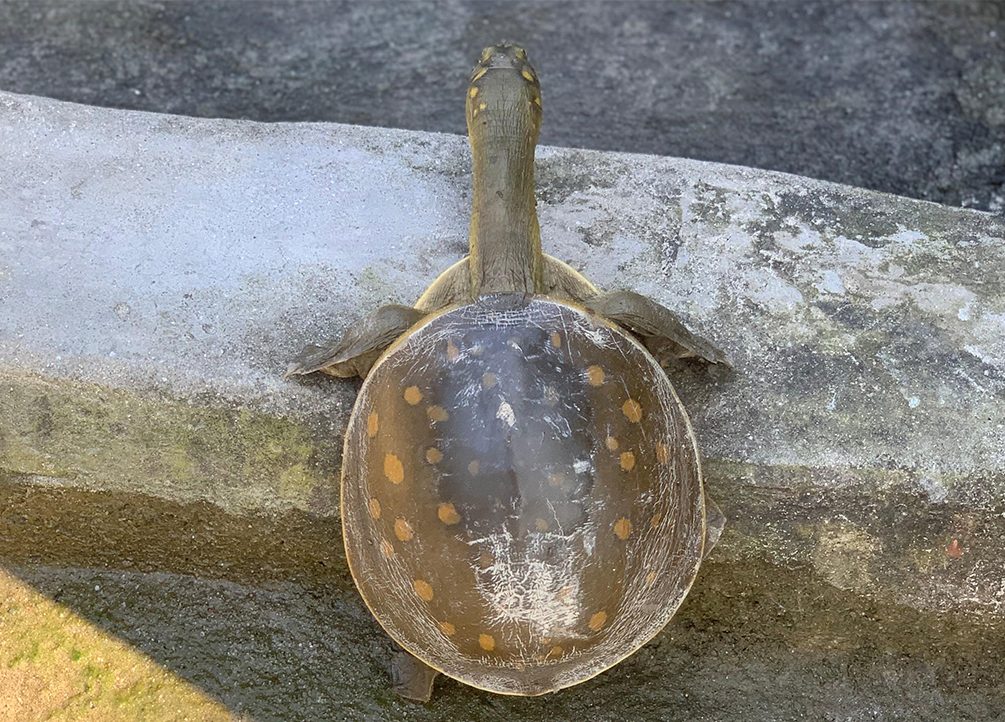
The Indian flapshell turtle inhabits freshwater wetlands across South Asia and is adapted to environments where water levels fluctuate seasonally. · google
Indian Flapshell Turtle: A Hidden Survivor of South Asia's Wetlands
Beneath the surface of a quiet pond or along the muddy edge of a freshwater marsh, an unusual reptile may be living almost unnoticed. The Indian flapshell turtle (Lissemys punctata) is a freshwater species native to South Asia, including Nepal. Its distinctive body, adaptable feeding habits and ability to withstand periods of drought make it one of the fascinating inhabitants of the region's aquatic ecosystems.
Unlike the large mammals and colourful birds that often attract attention in Nepal, freshwater turtles are frequently overlooked. Nevertheless, their lives are closely connected to the health of rivers, ponds and wetlands. Understanding the Indian flapshell turtle reveals not only the diversity of Nepal's wildlife but also the conservation challenges facing freshwater ecosystems.
Recognising the Indian Flapshell Turtle
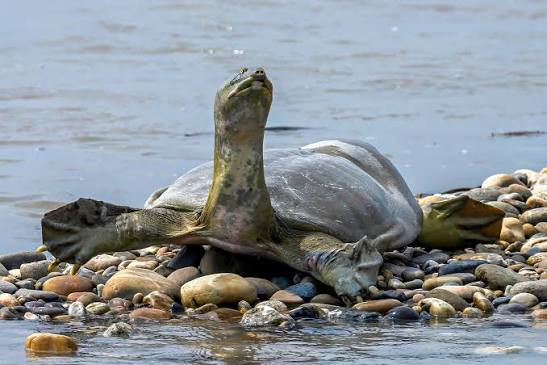
The Indian flapshell turtle belongs to the family Trionychidae, commonly known as softshell turtles. Its scientific name is Lissemys punctata. Rather than having the familiar appearance of a turtle with a rigid, heavily plated shell, it has a relatively flat shell covered by leathery skin.
Its colour is generally olive, brown or greyish, although appearance varies among individuals. The shell and body help it blend into muddy water, sediment and aquatic vegetation.
The species takes its common name from the distinctive flaps of skin near its hind limbs. These features, together with its flexible shell margins, help distinguish it from many other freshwater turtles.
Its webbed feet and streamlined body are suited to an aquatic lifestyle. Like other reptiles, however, it still depends on suitable surroundings for essential activities such as feeding, resting and reproduction.
Where Does It Live?
The Indian flapshell turtle has a broad native distribution across the Indian subcontinent. The IUCN Red List identifies Bangladesh, India, Myanmar, Nepal and Pakistan within its native range.
It inhabits a variety of aquatic environments, including ponds, lakes, marshes, streams, oxbow lakes, irrigation channels and rice fields. It is particularly associated with relatively shallow freshwater habitats rather than the deepest sections of major rivers.
In Nepal, freshwater environments in the lowland Terai form an important part of the country's wildlife landscape. Rivers, floodplains, ponds and wetlands support a wide range of reptiles, amphibians, fish and waterbirds.
The Indian flapshell turtle has also been recorded in Chitwan National Park, according to the literature cited in the IUCN-associated specialist species account. This documented record connects the species to Nepal's wider conservation story, although it should not be interpreted as evidence that turtles are present at every wetland in the park.
An Extraordinary Adaptation to Dry Conditions
One of the species' most interesting characteristics is its ability to endure periods when water bodies dry out.
Seasonal changes can transform a wetland dramatically. A pond that holds water during the monsoon may become shallow or dry during the hotter months. Animals that depend entirely on permanent open water can struggle when these conditions change.
The Indian flapshell turtle can survive such periods by entering a state of reduced activity known as aestivation. It may remain on land or in suitable muddy refuges while conditions are unfavourable.
This adaptation does not mean that drought is harmless. The turtle still needs appropriate conditions to survive until water returns, and prolonged habitat degradation can remove the refuges it depends on.
Its ability to withstand seasonal dryness illustrates why temporary wetlands and muddy pond margins can be ecologically important, even when they appear unproductive to a casual observer.
What Does the Indian Flapshell Turtle Eat?
The Indian flapshell turtle is an opportunistic omnivore. Research describes a diet that includes animal prey, carrion and plant material.
This flexible feeding strategy allows the turtle to use different food resources as they become available. Its diet may include aquatic invertebrates and other small animals, alongside organic material from its surroundings.
As part of a freshwater food web, the species interacts with other organisms in ways that connect feeding, decomposition and nutrient movement. Its ecological role is one reason why conserving a complete wetland habitat is more useful than focusing on a single species in isolation.
The availability of food depends on the condition of the water, the surrounding vegetation and the wider community of aquatic organisms. Pollution and changes to wetland structure can affect these interconnected relationships.
Reproduction and the Next Generation
Like other turtles, the Indian flapshell turtle lays eggs. Females generally leave the water to nest in suitable ground, where the eggs develop outside the aquatic environment.
The specialist-group species account reports that nesting generally occurs during late summer and extends into the monsoon season. It also records clutch sizes varying across a range of several eggs, with the number depending partly on the female.
The survival of eggs and hatchlings depends on suitable nesting conditions and the absence of excessive disturbance. Changes to natural banks, destruction of nesting areas and human interference can therefore affect reproduction.
Although researchers have documented aspects of the species' breeding biology, detailed information may be limited for particular local populations. Further field research can help establish how its reproductive cycle varies across different habitats.
Conservation Status: A Species Under Pressure
The Indian flapshell turtle is classified as Vulnerable on the IUCN Red List. Its assessment was published in 2021 and was conducted in 2018.
The assessment identifies an estimated global population reduction of more than 30% over three generations, with the decline associated with ongoing wetland loss and the collection of turtles.
The principal concern is not simply that wetlands are changing naturally. Human activities can permanently damage or eliminate the habitats on which freshwater species depend.
Wetland drainage, development, pollution and alterations to water management can reduce suitable habitat. The collection of wild turtles for human use adds further pressure in parts of the species' range.
The Vulnerable classification applies to the species globally. It should not automatically be interpreted as a separate assessment of the population in every Nepalese district or protected area.
Why Wetland Conservation Matters in Nepal
Nepal's wetlands support wildlife and contribute to the ecological health of the landscape. They provide habitat for aquatic plants, fish, amphibians, reptiles and birds, while also helping maintain natural water systems.
Protecting freshwater turtles requires attention to the entire environment in which they live. Clean water, healthy pond margins, suitable vegetation and connected aquatic habitats all contribute to a functioning ecosystem.
In places such as the Terai, conservation efforts can benefit numerous species simultaneously. Protecting natural wetlands is therefore valuable even when a particular turtle is difficult to observe or count.
Reliable field surveys are also essential. Recording where turtles occur, documenting threats and monitoring habitat conditions can help researchers understand how populations change over time.
How Can We Help Protect Freshwater Turtles?
Responsible wildlife conservation begins with respecting animals and their habitats. Visitors and local communities can help by keeping waste out of water bodies, avoiding unnecessary disturbance and protecting natural wetland vegetation.
Wild turtles should not be captured or removed from their habitat for photographs. If an animal appears injured or is found in immediate danger, contacting an appropriate wildlife authority or qualified wildlife professional is preferable to handling it unnecessarily.
Photographers and nature writers can also contribute by sharing accurate information. Images should be correctly identified, credited and used in accordance with their licences. Specific sightings should only be reported when supported by genuine observations or reliable records.
These simple practices encourage a better understanding of freshwater biodiversity without disturbing the wildlife being documented.
A Small Reptile with an Important Story
The Indian flapshell turtle may spend much of its life out of sight, but its story is closely tied to the future of South Asia's wetlands.
Its flexible shell, varied diet and ability to endure seasonal drying demonstrate how wildlife adapts to challenging environments. At the same time, its Vulnerable conservation status highlights the consequences of habitat loss and continued collection.
For Nepal, protecting freshwater ecosystems means safeguarding more than rivers and ponds. It means preserving the living communities that depend on them, including species that rarely receive public attention.
The next time a quiet wetland catches your attention, remember that its muddy margins and shallow waters may support an entire world of wildlife. Protecting that world begins with understanding it.
Research sources
Rahman, S. C., Ahmed, M. F., Choudhury, B. C., Praschag, P. and Singh, S. (2021). Lissemys punctata. The IUCN Red List of Threatened Species 2021. Assessment conducted 12 March 2018.
https://doi.org/10.2305/IUCN.UK.2021-1.RLTS.T123802477A3008930.enIUCN/SSC Tortoise and Freshwater Turtle Specialist Group. Indian Flapshell Turtle species account.
https://iucn-tftsg.org/cbftt/species-accounts/lissemys-punctata-076/